
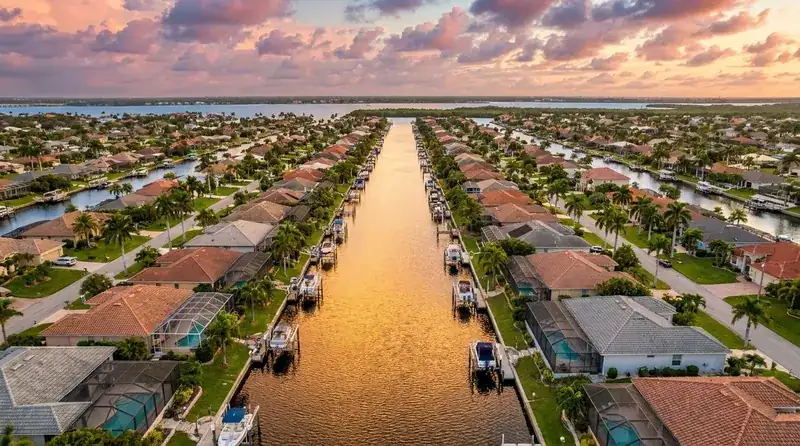
Buying a lot in Southwest Florida, including Cape Coral and Lee County, is not like buying a house. A lot can look simple on a map. But you still need answers before you make an offer. Where can a home sit? How will water, sewer and power reach it? Can you get a permit? This guide covers Cape Coral and unincorporated Lee County. Cities like Fort Myers have their own offices, so check with the city that serves your lot.
A listing is a start. It is not a promise that you can build. Use this list to find what you still need to check.
1. Check the flood zone
The MLS lists a flood zone for some lots. That is a quick note. It does not tell you the height of the ground. It does not tell you how high a new home must sit. It does not tell you what insurance will cost.
Look up the lot on the FEMA Flood Map Service Center. Then ask the right local office.
- Cape Coral: the city has a flood portal. Type in an address. It shows the flood zone and the base flood elevation. That is how high floodwater is expected to rise. It also lets you search for existing elevation certificates. An elevation certificate is a paper from a surveyor that shows how high a building sits. See Cape Coral Flood Protection.
- Unincorporated Lee County: the county page covers only land in unincorporated Lee County. Cape Coral, Fort Myers and other cities have their own offices. See Lee County Floodplain Management.
Lee County says new flood maps for six map panels in unincorporated Lee County take effect on March 2, 2027. Ask which map applies to your lot on the day you buy. See 2027 Pending Flood Map Revisions.
2. Check water, sewer and power
Ask three things.
- Who sells water to this lot?
- Is there public sewer, or would you need a septic system?
- How do you hook up power?
A map of a service area does not prove a pipe is at the lot. A map may show a water main on the street. That does not mean it reaches your lot. Ask the provider in writing.
Who serves the lot depends on where it is. In Cape Coral, the city offers water, sewer and irrigation service, so ask the city. Outside the city, Lee County Utilities has service maps for its own service areas.
If there is no sewer, ask about septic before you commit. The Florida Department of Health in Lee County needs a site plan with lot lines, easements, wells, drainage and water. In unincorporated Lee County a Florida licensed engineer must design the system. See septic permit rules.
In Cape Coral, ask about utility assessments too. An assessment is a one-time fee that pays for new water or sewer lines. The city says it can be charged to vacant lots. If it is not paid in full, it passes to the new owner. See Special Assessment FAQs.
3. Check road access and easements
Does the lot touch a road? Is that road public or private? Does your access depend on a recorded easement across someone else’s land?
Ask for three papers. A plat is a map filed with the county that shows lot lines. A survey shows what is on the ground today. A title commitment is a paper from a title company that lists who owns the lot and any claims against it. An easement is a right for someone else to use part of the land, like a strip for a drain or a power line. Look for easements for drainage or utilities.
Here is an example. A lot may touch a road on paper. But the only way in may be a strip across a neighbor’s land. That needs a recorded easement. A path or a line on a map does not prove legal access.
4. Check if you can build on the lot
Compare the lot with the zoning rules. Ask about:
- Zoning and allowed uses
- Smallest lot size
- Setbacks. This is how far a building must stay from the lot lines.
- Height, and lot coverage. This is how much of the lot a building may cover.
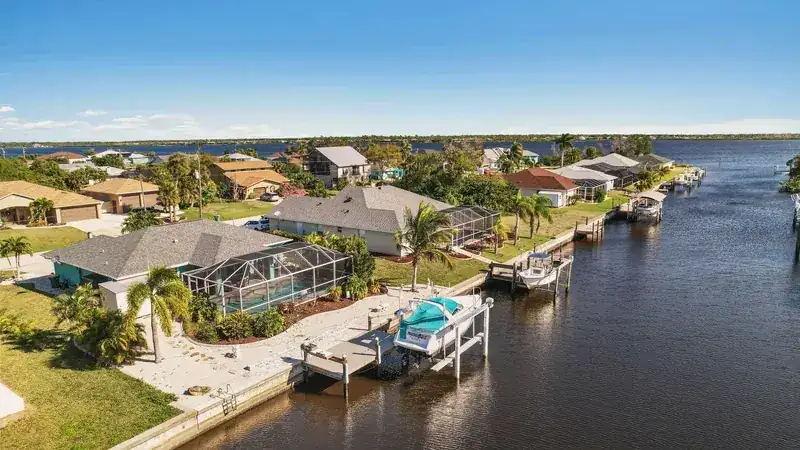
A lot can be big on paper and still have a small spot to build. Setbacks, easements and drainage take up room. Cape Coral explains this on its zoning page. Do not rely only on a listing that says “ready to build.” Ask the planning or building office.
5. Check wetlands and protected land
Do this before you clear, fill or pick a spot for the house. A map layer can raise a question. It does not replace a field check. The Florida Department of Environmental Protection explains how wetlands are defined and marked.
Ask a licensed professional if you need a wetland check or a permit review. Also look for conservation easements. These are legal limits on land use to protect nature. Cape Coral staff review site plans and building permits for listed species. See Cape Coral Environmental Resources.
6. Ask about insurance early
Talk to an insurance agent before you pick a home design. Share the flood zone, the ground height and the kind of home you want. Ask:
- Will my lender require flood insurance?
- Can this kind of home be insured?
- What papers does the agent need?
An MLS flood zone is not an insurance quote.
7. Check any water access
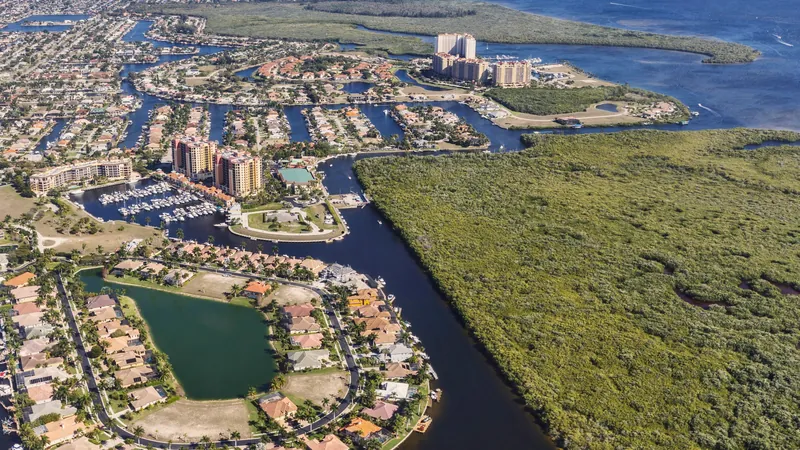
If boating matters, check the whole route. Ask where it starts and which waterways it uses. Ask about bridges and how tall they are. Ask how deep the water is and how the tide changes it.
A canal next to the lot does not mean you can boat out. Do not guess from a photo or a map pin. NOAA’s U.S. Coast Pilot has details on channels, bridges, tides and depths. You can also try our free waterway map to start your research. It is a starting point, not a promise. If you plan to build a new home, see new construction vs resale in Cape Coral. Read our guide on how to read a home listing too.
How The Milner Team can help
We can help you line up your questions for the planning office, the utility, the title company, the surveyor and your insurance agent. We cannot give permits. We cannot promise a lot is buildable. We help you find the open questions while you still have time.
The Milner Team at Florida Future Realty. Call 239.895.9383 or book a call.
Questions to ask before buying a lot in Cape Coral or Lee County
Does the MLS flood zone tell me if I can build?
No. It is a starting point. Check the FEMA map and the local floodplain office for your lot.
How do I know if water and sewer are available?
Ask the provider. Ask if the lines are at the lot, what fees or assessments are left, and when service could start. If there is no sewer, ask the health department about septic.
Can a lot on a road still have access problems?
Yes. Ask if the road is public or private. Ask about easements and who keeps up the road. Check the plat, survey and title papers.
Do wetlands mean I cannot build?
Not always. But they can change where you build. Have a licensed professional and the right agency look at the lot first.
Does a waterfront lot always mean boat access?
No. Check the route, the bridges, the water depth and the tides. Then ask local experts about your boat.
This is general education, not legal, tax, insurance or lending advice. Ask a licensed professional about your lot.
Sources checked November 9, 2026. Rules and maps change. Check with the office that serves your lot.