
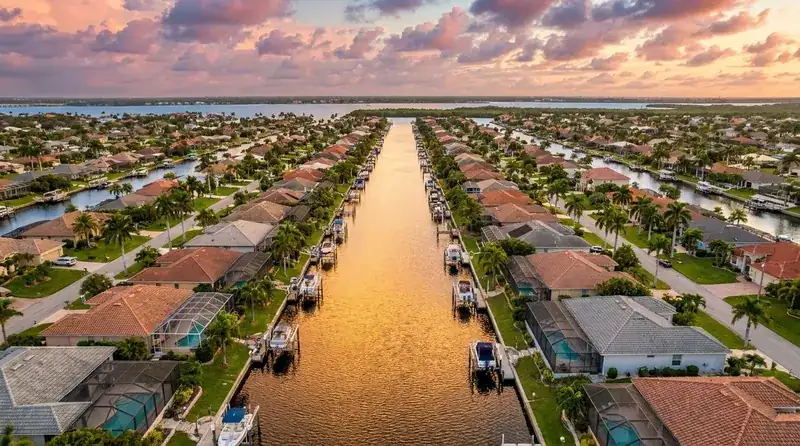
A new-build home and an existing home in Cape Coral can look similar at a showing, but the paperwork behind them may be different. One may still be under construction. The other may have repairs and permit history to review. Neither label answers every buying question. Use this list for both, and ask for documents instead of relying on verbal promises.
1. What exactly is included?
Which floor plan, finishes, appliances, fixtures, landscaping, and other features are included in writing? If the home is being built, which items can the builder change or substitute? What are the deadlines and costs for upgrades?
For an existing home, which appliances or attached items stay? Compare the written specifications with what you see. Do not assume that a model-home feature or an item shown in listing photos is included.
2. What does the warranty cover?
Who provides each warranty: the builder, a manufacturer, or another company? What does it say about the roof, structure, systems, appliances, and finishes?
Ask about exclusions, claim deadlines, repair procedures, and when coverage starts. Is it transferable?
For an existing home, request any remaining warranty documents and repair records. A warranty and an inspection answer different questions, so review both.
3. Are permits and occupancy approvals complete?
Which permits apply, and what is their status? Have the required final inspections passed? Has a certificate of occupancy been issued?
If construction is unfinished, ask when that document will be available and what happens if approval is delayed. For an existing home, ask about permits and final approvals for additions or major changes.
Florida has a statewide building code adopted by the Florida Building Commission (s. 553.73, F.S.; see also the DBPR building codes FAQ), but local offices handle permit records.
Cape Coral handles city permits through its own system. For a property outside Cape Coral, ask the city or county that governs that address which office handles permits and certificates of occupancy. Check with the correct permitting office.
A permit record is not a full report on a home’s current condition.
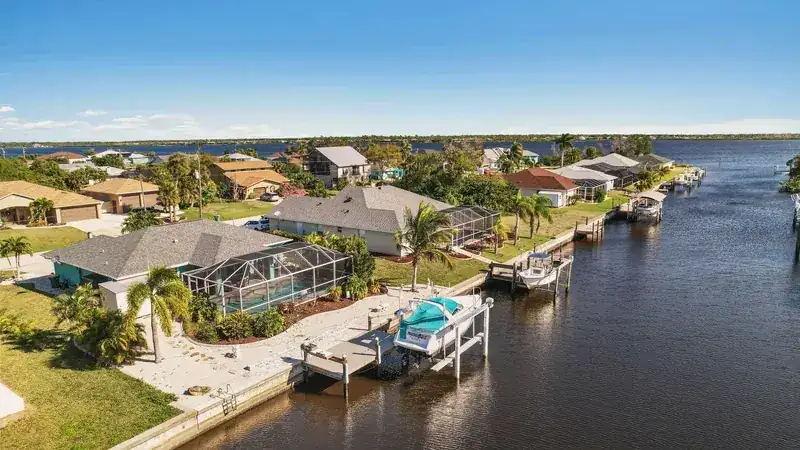
4. Can I arrange my own inspection?
Will the contract allow an independent inspector before closing?
For a home under construction, ask whether access is possible at stages such as before drywall and again near completion. Who coordinates access, and how will identified items be documented and corrected?
For an existing home, confirm the inspection deadline and what options you have if problems appear.
Municipal inspections check work against the building code; an independent inspection is a separate check you arrange. Never assume inspection access or remedies without reading the contract.
5. What ongoing fees or assessments apply?
Is there a homeowners’ association (HOA), condominium association, or community development district (CDD)?
Request the governing documents, budgets, current dues, transfer charges, and information on pending assessments.
CDD assessments are separate from HOA dues and may be collected through property tax bills (s. 190.021, F.S.). Cape Coral also has special assessments for city water, sewer, and irrigation line extensions (its UEP and Line Extension Assessment) that are billed through the annual property tax bill.
Ask for the remaining balance, annual payment, and who is responsible for amounts due at closing. Confirm these charges for each property rather than assuming all nearby homes are treated alike.
6. What do the flood map and elevation documents show?
What is the current FEMA flood zone? What base flood elevation or local design elevation applies? Is there an elevation certificate, and does it describe the completed home?
Ask how the finished floor and equipment elevations compare with applicable requirements.
Cape Coral provides a flood-information portal with map data and available elevation certificates.
Check flood questions for both home types. A flood-zone designation alone cannot tell you an actual insurance premium. According to FEMA’s FloodSmart, a flood insurance premium is unique to the property and based on several factors. Ask an insurance professional for property-specific coverage options and quotes before committing.
7. What does this purchase contract really allow?
Is this a builder-prepared agreement or a standard resale contract form?
Ask about deposit deadlines and refund conditions, financing and inspection contingencies, completion dates, change orders, appraisal issues, and closing requirements.
Who pays which closing charges? What happens if construction is delayed or an agreed item is missing? Are disputes handled through arbitration or another process?
If the builder offers a preferred lender or incentive, what conditions apply?
The Consumer Financial Protection Bureau says buyers can shop for mortgage lenders and should ask when a builder deposit is refundable.
Review the same deadlines and protections for an existing-home contract, too.
8. How do the complete obligations compare?
Put the contract, taxes, HOA charges, CDD or city assessments, insurance quotes, closing costs, and expected maintenance on a simple worksheet for each home.
Ask lenders for comparable Loan Estimates using similar loan features. The CFPB recommends sharing property taxes and association dues with lenders so estimates are more accurate.
Also list what needs attention before move-in and who must handle it.
Then weigh timing, layout, paperwork, and future responsibilities against your own priorities. Neither new construction nor an existing home comes with one universal answer.
For legal, tax, insurance, and lending questions, check with a licensed professional.
Frequently Asked Questions
1. Does a new home still need an independent inspection?
An independent inspection can help you understand the finished home’s condition even when municipal inspections took place. Ask the builder whether your inspector may visit during construction and before closing. Confirm the access rules, the timing, and how any issues will be documented. The builder contract determines which inspection and repair rights you have.
2. How do I know whether a new home is ready for occupancy?
Ask the builder for the certificate of occupancy and confirmation that required final inspections have been completed. Verify the information with the authority responsible for permitting that property. For a home within Cape Coral, start with the City’s permitting system. For a property outside Cape Coral, ask the city or county that governs that address which office handles permits and certificates of occupancy.
3. Are HOA dues, CDD charges, and city assessments the same thing?
No. Ask for each charge separately. HOA dues come from an association, while CDD assessments are imposed by a community development district. Cape Coral also has utility-related special assessments that may appear on a tax bill. Request documents showing the amount, remaining balance, payment schedule, and any planned changes for the home you are considering.
4. Does a flood zone tell me what flood insurance will cost?
No. A flood map shows mapped hazard information, not a binding insurance price for a particular home. Ask for available elevation documents and confirm the building details with an insurance professional. Request a property-specific quote and ask what coverage it includes. Do this before your contract deadlines make it difficult to reconsider the purchase.
5. Do I have to use a builder’s preferred mortgage lender?
The CFPB says you can shop among mortgage lenders, even when a builder works with a particular lender. Ask whether any offered incentive depends on using that lender, and compare written Loan Estimates with similar features. Also examine rate-lock timing, closing-cost assumptions, and what happens if completion or financing takes longer than expected.
Ready to Compare Your Options?
Have a new-build plan and an existing-home listing you want to compare? Message The Milner Team, brokered by Florida Future Realty, Inc., at https://themilnerteamfl.com/contact/ or 239.895.9383, and we can help you organize the questions and documents before you decide.
Sources
- Florida Building Commission, official website. https://www.floridabuilding.org/c/default.aspx
- Florida Department of Business and Professional Regulation, Building Codes and Standards FAQs. https://www2.myfloridalicense.com/building-codes-and-standards/faqs/
- City of Cape Coral, Permitting Services Division. Cape Coral Permitting Services Division
- City of Cape Coral, Special Assessment FAQs. Cape Coral Special Assessment FAQs
- Florida Senate, 2026 Florida Statutes, Section 190.021. Florida Statutes, Section 190.021
- City of Cape Coral, Flood Protection and Information. Cape Coral Flood Protection and Information
- Consumer Financial Protection Bureau, Find the Right Home. https://www.consumerfinance.gov/owning-a-home/explore/find-the-right-home/
- Consumer Financial Protection Bureau, Request and Review Multiple Loan Estimates. https://www.consumerfinance.gov/owning-a-home/compare/request-and-review-multiple-loan-estimates/
- FEMA National Flood Insurance Program (FloodSmart), Premium Costs. FloodSmart Premium Costs
- Florida Senate, 2026 Florida Statutes, Section 553.73 (Florida Building Code). Florida Statutes, Section 553.73